
How Long Does a Roof Last in New England? Lifespan by Material
Manufacturer lifespans are written for a mild climate. Here is what asphalt, slate, metal, cedar and membrane actually deliver in a place with 69 freeze-thaw days a year — and the five things that cut those numbers short.
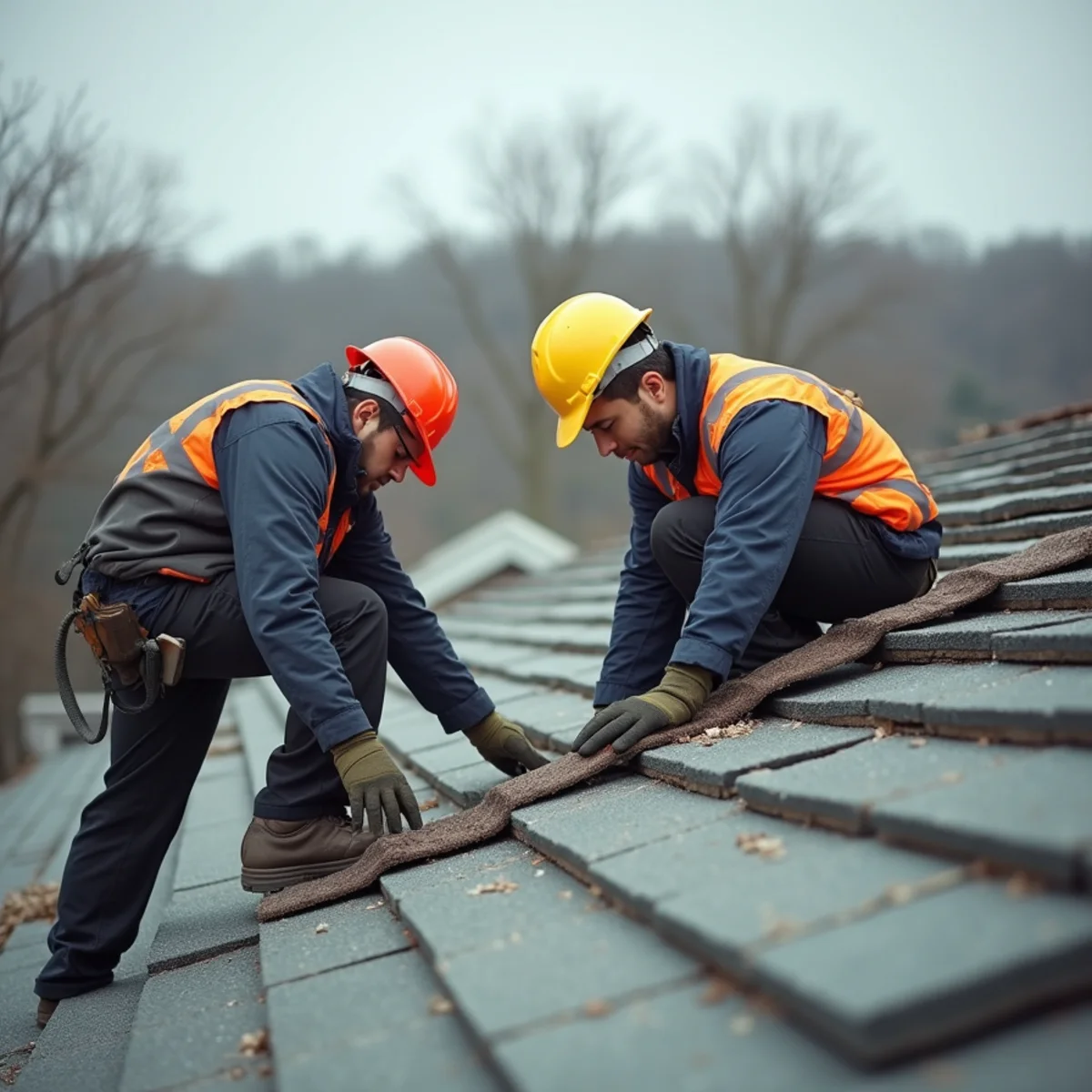
Here are the working numbers we use in Greater Boston, and they are shorter than the box promises.
- Three-tab asphalt: 15-20 years
- Architectural asphalt: 22-30 years
- Cedar shingle: 25-35 years, less on a shaded or coastal slope
- EPDM / TPO / PVC membrane: 20-30 years, almost entirely dependent on drainage
- Standing seam metal: 50+ years
- Slate: 75-100+ years, and plenty of Boston slate is well past that
A shingle sold as a "lifetime" product is not lying, exactly - the warranty is written on prorated terms and around ideal conditions. New England is not ideal conditions. Assume the real-world figure, not the rated one.
What our climate actually does to a roof
Boston averages roughly 92 days a year at or below 32 degrees, but only about 23 days that stay below freezing all day. That leaves around 69 days a year crossing the freezing line in both directions.
Every one of those crossings expands and contracts everything on your roof. Water that got into a mortar joint, a seam, or a fastener hole freezes, expands, and levers the assembly apart a fraction of a millimetre. Do that 69 times a year for twenty years and you have a genuinely different aging curve from a roof in a mild climate.
Add the load. Boston averages 49.2 inches of snow a year, and winter 2014-15 delivered 110.6 inches at Logan - the snowiest season since records began in 1891. On 29 January 2022, 23.6 inches fell in a single calendar day, the heaviest calendar-day snowfall in Boston records.
Nothing about that is average anywhere else.
Asphalt: the most common and the most variable
Architectural asphalt is what goes on most Greater Boston homes, and 22 to 30 years is a fair expectation for a properly installed one. Three-tab is thinner, lighter and lands closer to 15 to 20.
The variability is not really about the shingle. It is about ventilation. A roof over a well-vented attic runs cooler and reaches the top of that range. A roof over a finished cathedral ceiling or a story-and-a-half Cape with no eave ventilation cooks from below and can lose five to eight years. That is why we look at attic ventilation and insulation on every replacement rather than treating it as an upsell.
Coastal exposure is the other variable, and there it is the fasteners rather than the shingle. See our guide to coastal roofing on the North Shore for what changes within about 3,000 feet of saltwater. Our asphalt shingle roofing work is specified differently depending on which of those situations you are in.
Slate: the material that outlives everyone involved
Massachusetts holds an enormous quantity of original 19th-century slate - Beacon Hill, Back Bay, the Salem McIntire district, Cambridge and Newton Victorians, Brookline's Fisher Hill, Marblehead's Old Town. A lot of it is original and still doing its job.
Slate rarely fails as a material. What fails first is the fastening and the flashing around it. A slate roof at ninety years old often needs its copper valleys and chimney flashing rebuilt and a few hundred slipped slates reset, not replacement. That is why slate repair and restoration is a genuine specialism rather than a variant of shingle work.
One code point worth knowing: slate, clay tile, cement tile, wood shake and asbestos-cement tile must always be removed rather than overlaid. Nobody can legally shortcut a slate roof by going over it.
Metal, membrane and cedar
Standing seam metal
Fifty years and up, with excellent snow-shedding - which matters in a 40 to 50 psf design snow load region. Concealed clips and no exposed fasteners in the field mean fewer failure points. It is the highest up-front cost of the mainstream options and the lowest cost per year of service. Standing seam metal makes particular sense on exposed elevations and long simple slopes.
Single-ply membrane
Twenty to thirty years on EPDM, TPO or PVC - and the number is set by drainage more than by the sheet. Standing water freezes and thaws all winter and destroys seams. A properly tapered assembly will outlast a better membrane laid flat every time. Details in our EPDM vs TPO vs PVC comparison.
Cedar
Twenty-five to thirty-five years in good conditions. Shade is the enemy - a north slope under trees that never dries grows moss, holds moisture, and can lose a decade against the sunny side of the same house.
The five things that cut a roof short
- Poor ventilation. Heat and moisture trapped under the deck age shingles from below and drive ice damming above. The single biggest lifespan variable.
- An overlay. A second layer traps heat, hides rot, adds dead load, and voids most manufacturer warranties. Massachusetts caps asphalt at two layers, and there is a reason.
- Standing water on a low-slope section. Freeze-thaw on a pond will find every seam.
- Neglected gutters and valleys. Overflow behind the fascia rots the deck edge, and debris-packed valleys push water sideways under the courses.
- Bad flashing detail. Roofs almost never fail in the field. They fail where two things meet, which is what flashing and chimney repair is for.
How to tell where yours is in its life
- Granules in the gutters in real volume - the shingle is shedding its UV protection.
- Curling or cupping edges, especially on the sun-facing slope.
- Nail pops in straight lines - fasteners backing out as the deck moves, common on board sheathing.
- Dark patches where granules are gone, and slopes aging visibly faster than each other.
- Repeat leaks in different places. One leak is a repair. Three in three winters is a roof telling you something.
If several of those are true at once, the honest question is not repair or replace but when. Our guide on repair versus replacement in Massachusetts covers where the line sits, and if you are planning ahead, the best time of year to replace a roof here is worth reading before you book anything.
The honest summary
Take the number on the wrapper and discount it for this climate. Then spend your attention on ventilation, drainage and flashing, because those three decide whether you land at the top or the bottom of the range for whatever material you choose.
Want to know where your roof actually is? We work Boston, Newton and the North Shore. Get a free roof estimate or call (209) 758-8550 - and if it has years left, we will say so.
The points above, one at a time
A visual index of what each one actually looks like on a Massachusetts roof.
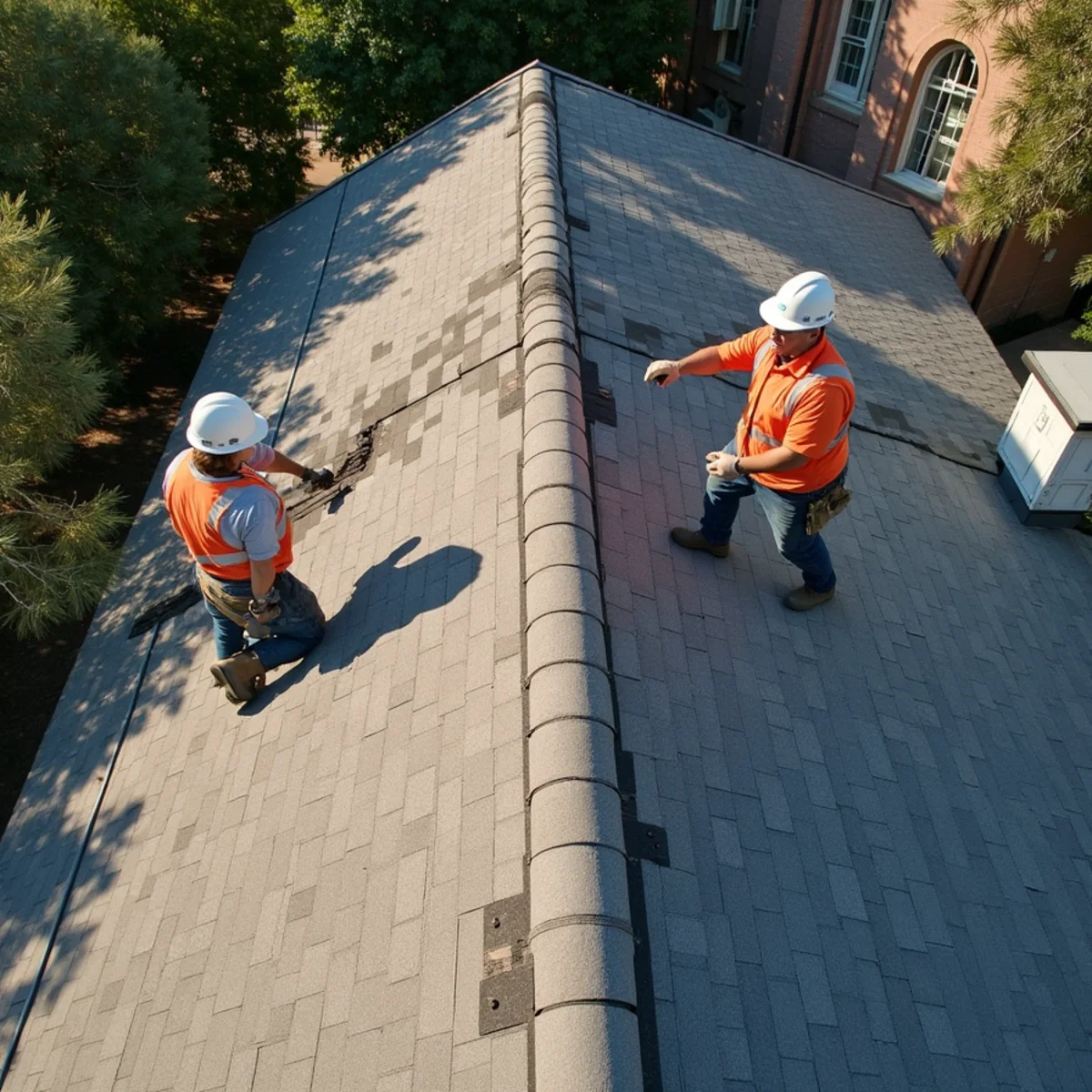
Shingles aged prematurely above a poorly ventilated roof section 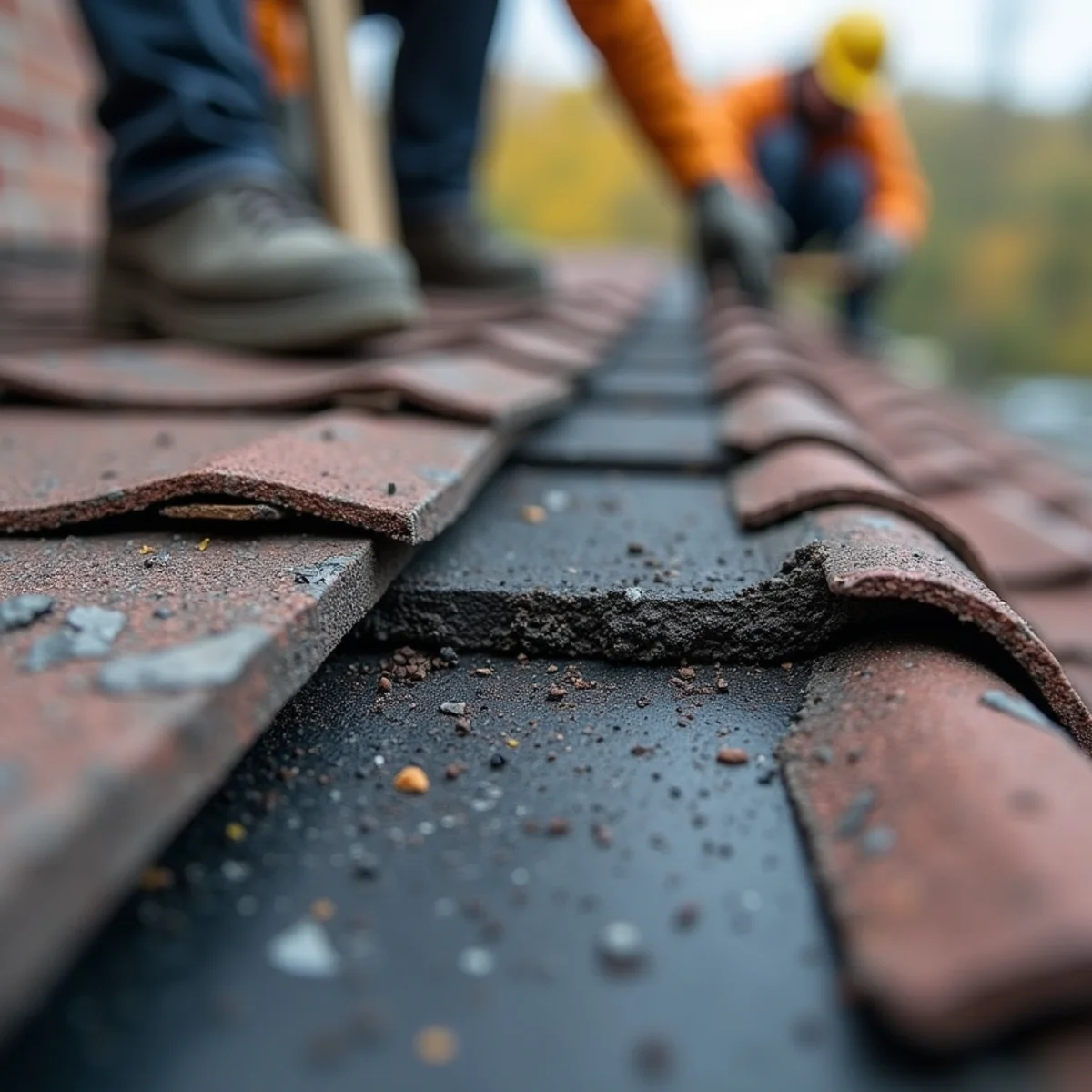
A second shingle layer trapping heat and hiding the deck beneath 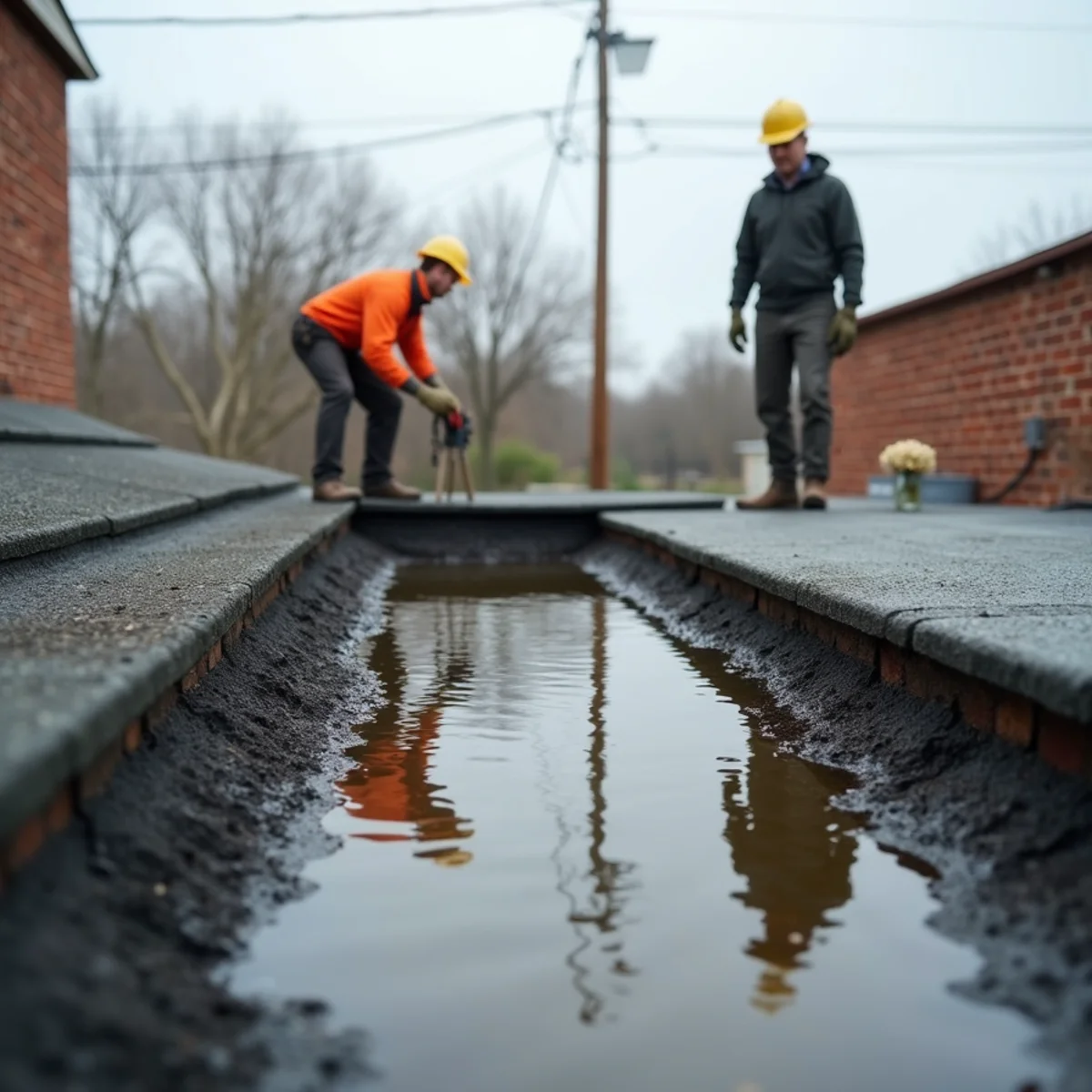
Ponding water sitting on a low-slope roof after rain 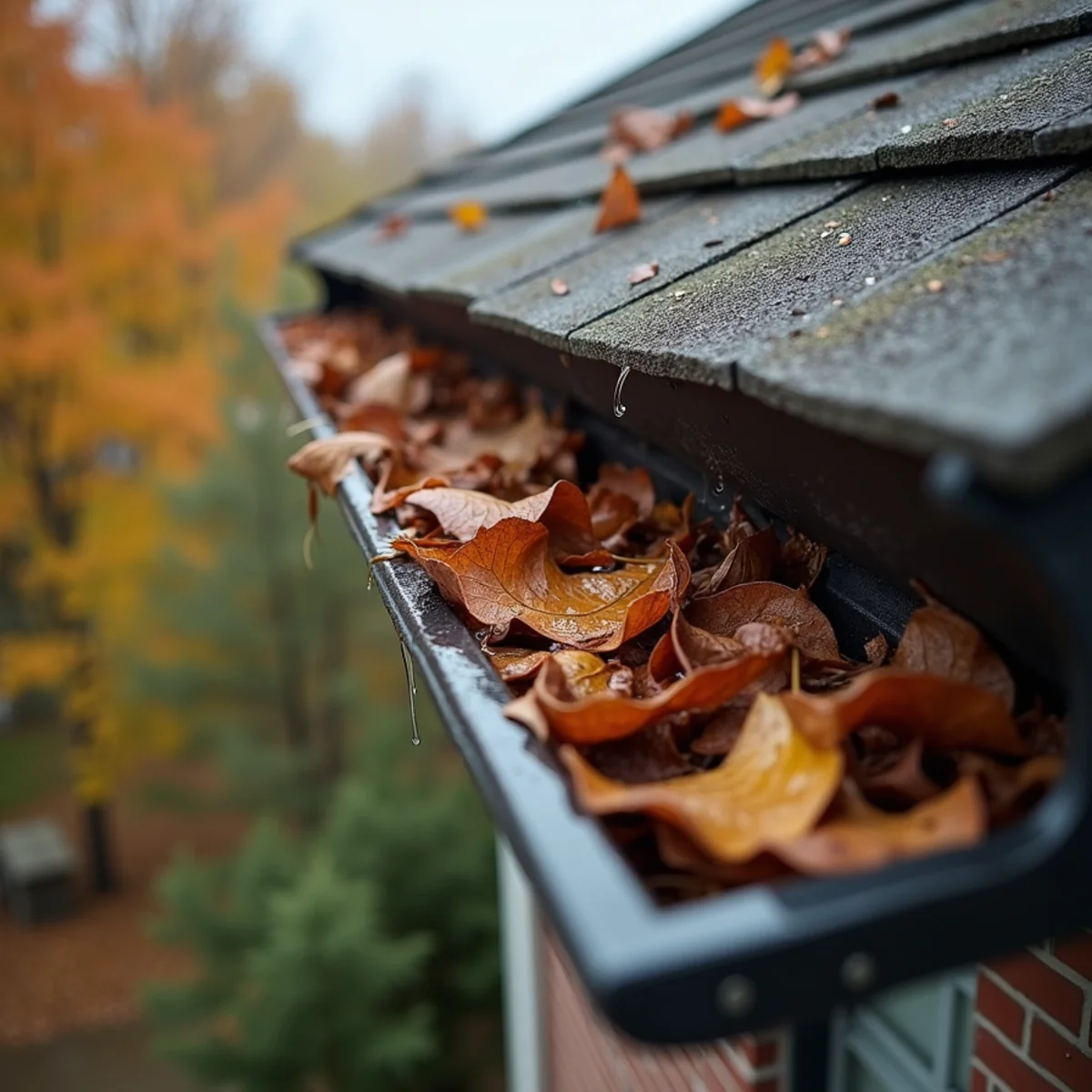
Overflowing packed gutter sending water behind the fascia board 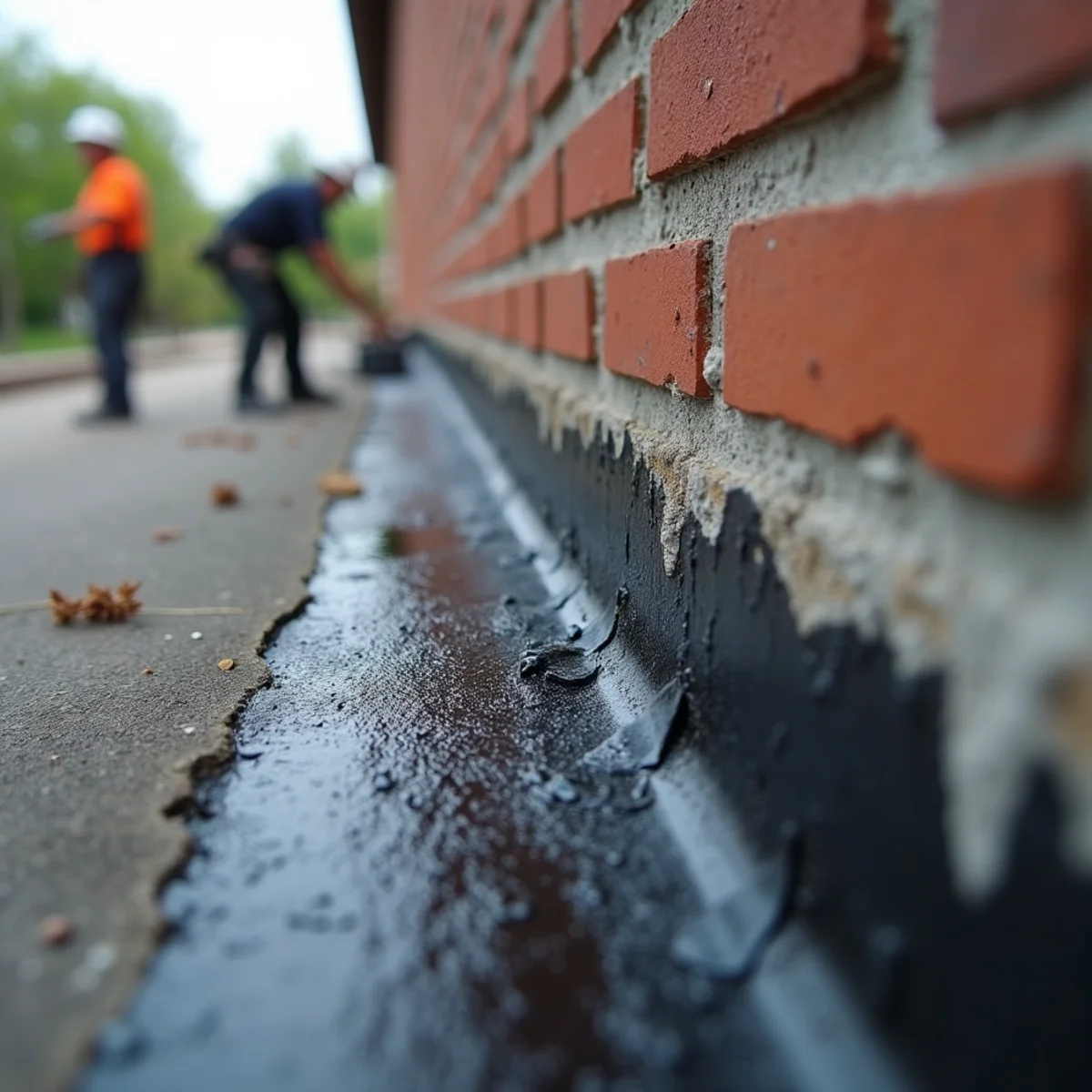
Roof-to-wall flashing patched with tar instead of properly lapped metal
Frequently asked questions
Architectural asphalt typically runs 22 to 30 years here, and three-tab closer to 15 to 20. The biggest variable is attic ventilation - a roof over a poorly vented or unvented assembly cooks from below and can lose five to eight years off that range.
Freeze-thaw cycling. Boston sees roughly 92 days a year at or below freezing but only about 23 that stay frozen all day, so around 69 days a year cross the line. Each crossing expands and contracts the assembly. Add nearly 50 inches of average annual snow and the aging curve is genuinely steeper than in a mild climate.
Usually, yes. Slate itself lasts 75 to 100 years and often longer, and what fails first is the copper flashing and the fastening. Rebuilding valleys and chimney flashing and resetting slipped slates is normally the right call. Massachusetts code also prohibits overlaying slate, so there is no shortcut version anyway.
Twenty to thirty years, and drainage decides where in that range you land. Standing water that freezes and thaws all winter destroys seams. A tapered insulation assembly that actually drains will outlast a better membrane laid flat.
It depends on how close it is to the end. A roof with clear years left is worth documenting rather than replacing - keep the permit, the warranty and the photos. A roof that a buyer's inspector will flag becomes a negotiation you conduct on their timeline rather than yours, which usually costs more than doing it deliberately.