
Roof Repair vs. Roof Replacement in Massachusetts: How to Decide Without Getting Sold
Two roofers, two opposite answers, one ceiling stain. Here is how Massachusetts homeowners should actually decide between patching a roof and tearing it off, explained by a crew that sells both.

You found a stain spreading across the bedroom ceiling. One roofer says he can fix it in an afternoon. The next one wants to strip the whole roof down to the boards. Both of them cannot be right.
Here is the short answer. Repair when the damage is localized and the rest of the roof still has years left. Replace when leaks show up in more than one place, when the deck has gone soft, or when the roof is on its last few winters. The leak itself does not decide it. Whether it is the exception or the symptom does.
Our rule of thumb after years on Boston-area roofs: if a repair costs more than about a third of a full replacement, or the roof has fewer than five winters left, spend the money once. New England weather gives no credit for half measures.
Why Massachusetts Roofs Fail Where They Do
Boston sees about 92 days a year at or below 32 degrees, but only about 23 that stay below freezing all day. That 69-day gap is the mechanism. Meltwater works into a seam by afternoon, then locks up hard overnight, and ice takes more room than water did. Run that seventy times a winter for twenty years and flashing, chimney mortar and slate fail long before the shingle field looks tired.
Then there is load. Logan averages 49.2 inches of snow a year. The winter of 2014-15 put 110.6 inches on these roofs, and January 29, 2022 dropped 23.6 inches in one calendar day. A tired roof survives an average winter. It does not survive one of those.
When a Repair Is the Right Call
Most leaks we get called out for are not shingle problems. Water finds a joint before it finds a field. Repair is the honest answer when your roof looks like this.
- One clear source. Lifted step flashing, a split pipe boot, a nail pop, ridge cap peeled back by a nor'easter.
- A roof under about 15 years old, shingles still lying flat and holding their granules.
- A chimney or sidewall failure, usually a chimney and wall flashing repair and nothing more.
- Storm damage on one slope, almost always the side facing the weather.
- A deck that stays solid everywhere the roofer puts his weight.
That is a roof repair in Boston, full stop. Anyone pushing a tear-off on that roof should have to explain in writing what he saw that you did not.
When Replacement Is the Cheaper Decision
Replacement wins when the problem is the system, not the spot. These are the signs you need a new roof instead of another patch.
- Shingles curling, cupping or shedding granules on more than one slope. Granules in the gutter mean the mat underneath is exposed.
- Two or three separate leaks in one season, in different parts of the house.
- A deck that feels spongy underfoot, or a ridge that dips when you sight down it from the street.
- Daylight through the board sheathing, seen from inside the attic with the light off.
- Ice dam damage at the eaves winter after winter, especially on a story-and-a-half Cape, the biggest ice dam generator in the region.
- A roof already carrying an overlay. A third layer is not legal, and the existing layers hide whatever is happening to the boards.
The 25 Percent Sheathing Test
Here is a line almost no homeowner hears. Massachusetts issues a Specialty Construction Supervisor License for Roof Covering, and its scope covers replacing up to 25 percent of the sheathing and sistering rafters. That number makes a useful test. Find rot past roughly a quarter of the deck and you have left repair territory. On a triple-decker it happens often, because the stock is 100 to 140 years old and sheathed in boards, not plywood, and boards rot at the eave where the ice sits.
Structure is a separate question from covering. Boston, Malden, Everett and Saugus are 40 psf design ground snow load towns under the 780 CMR table; Danvers, Ipswich and Gloucester are 50. If a deck deflects under an ordinary February, shingles will not fix it. Confirm your town's value with the local building official.
What Massachusetts Code Does to the Math
This is what quietly tips borderline roofs toward replacement. Under 780 CMR R905.1.2, an ice barrier has to run from the lowest roof edge to not less than 24 inches inside the exterior wall line. An ice barrier means two cemented layers of underlayment or a self-adhering polymer-modified bitumen sheet, which is what most people call ice and water shield. On slopes of 8:12 or steeper it also has to extend not less than 36 inches measured along the slope.
You cannot patch that in from above. If your roof predates the requirement, or the last crew shorted it, the only way to get that membrane under your eaves is a tear-off. On an ice dam prone Cape it is worth more than the shingles above it, and the Massachusetts ice barrier code requirement is the sharpest line item for catching a cut-rate bid.
Two rules narrow your options further. Slate, clay tile, cement tile, wood shake and asbestos-cement tile must always be removed and can never be covered over. And new shingles cannot go over two existing layers. If a bid proposes an overlay, ask how many layers are up there and put the answer in the contract.
The Cost Side, Honestly
Half of what a small repair costs on a three-decker is not the repair. It is the access. Three to four stories of staging, rear porch stacks blocking the ladder line, party walls with no side setback, nowhere legal to park a dumpster. Three small repairs across three visits can cost more than doing the roof once, which is the real financial case for a full roof replacement on a building already leaking in two places.
Permits Are the Predictable Part
A Boston reroof with no structural work runs on the Inspectional Services short-form permit: $20 to apply plus $10 per $1,000 of the work estimate. On a $16,000 job that is $180. Your contractor files it with his trade license, liability insurance certificate, workers' comp affidavit, the signed contract and two safety affidavits. In a historic district, Landmarks Commission approval has to come first across Boston neighborhoods like Beacon Hill, Back Bay and the South End. Build in the extra weeks.
Red Flags in a Replace-Everything Pitch
Postwar capes and low gables fill a lot of the streets we work. If you are collecting quotes for roof repair in Malden or roof replacement in Everett, four things should end the conversation.
- An offer to cover, waive or absorb your insurance deductible. That is illegal in Massachusetts, and it tells you how that company handles everything else.
- No Home Improvement Contractor registration. Required for residential work on owner-occupied one-to-four unit homes, free to verify at services.oca.state.ma.us/hic/licenseelist.aspx. Guaranty Fund claims cap at $10,000 per project, and a c. 142A violation is a per se c. 93A violation carrying treble damages and attorney's fees.
- A quote with no tear-off line, no ice barrier line and no flashing line. That is where the durability and most of the honest cost live.
- Mixed metals. Copper flashing fastened with galvanized nails corrodes galvanically and leaks again. Within about 3,000 feet of saltwater, FEMA guidance calls for 300-series stainless fasteners.
Get a Straight Answer About Your Roof
This is not a coin flip. It is a walk of the roof, a look in the attic, photos of every penetration, and an honest read on how many winters the field has left. Paulo Silva, our owner, walks the roof and writes the estimate himself, so the person telling you repair or replace is the person who saw it.
We are licensed and insured in Massachusetts, and HIC and CSL credentials come with every estimate. Holding a replacement quote that does not feel right? We will put a second opinion in writing. Call (209) 758-8550 or get a free roof estimate, and we will tell you which one your roof needs, including the times the answer is the cheaper one.
The points above, one at a time
A visual index of what each one actually looks like on a Massachusetts roof.
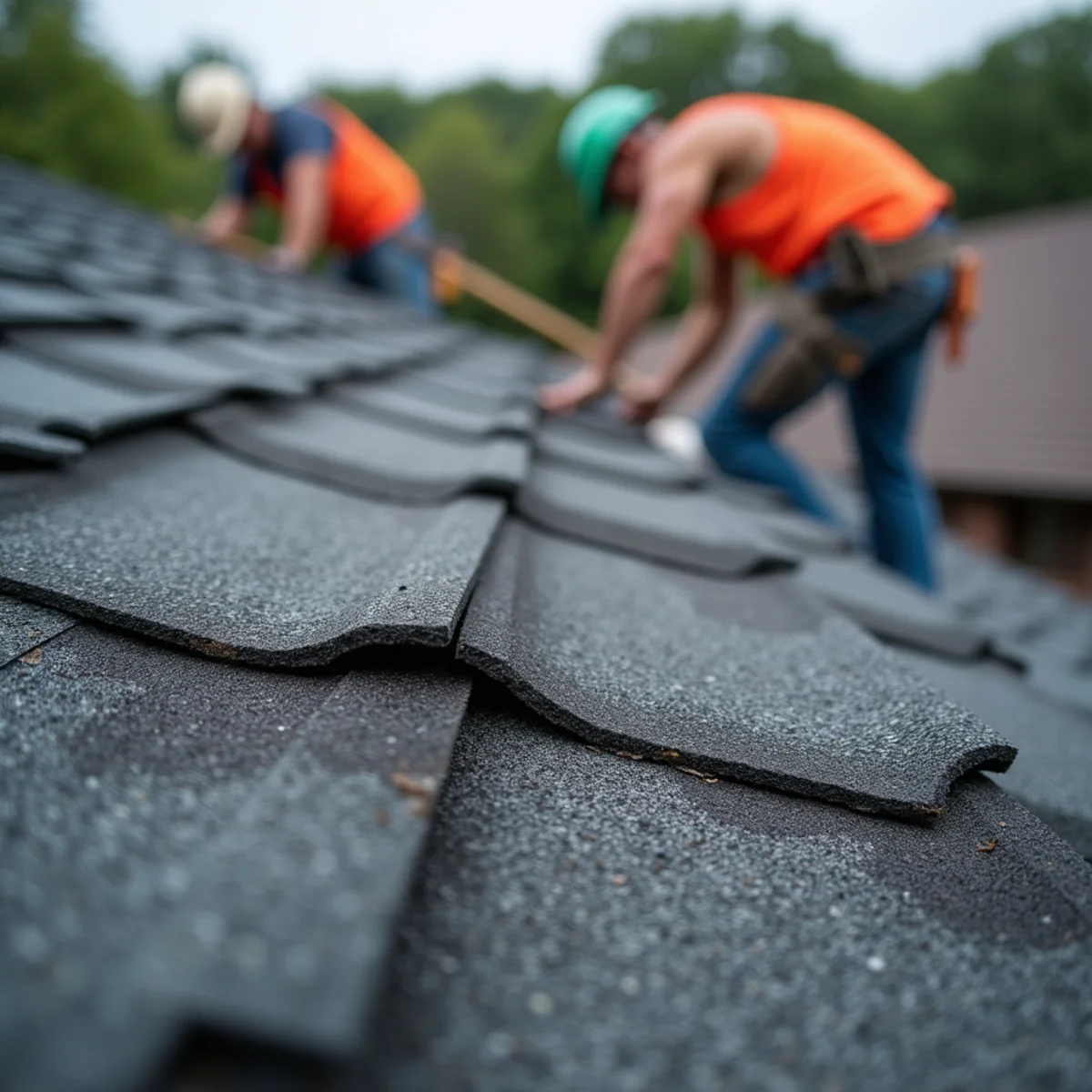
Curling shingles and granule loss signalling a roof at end of life 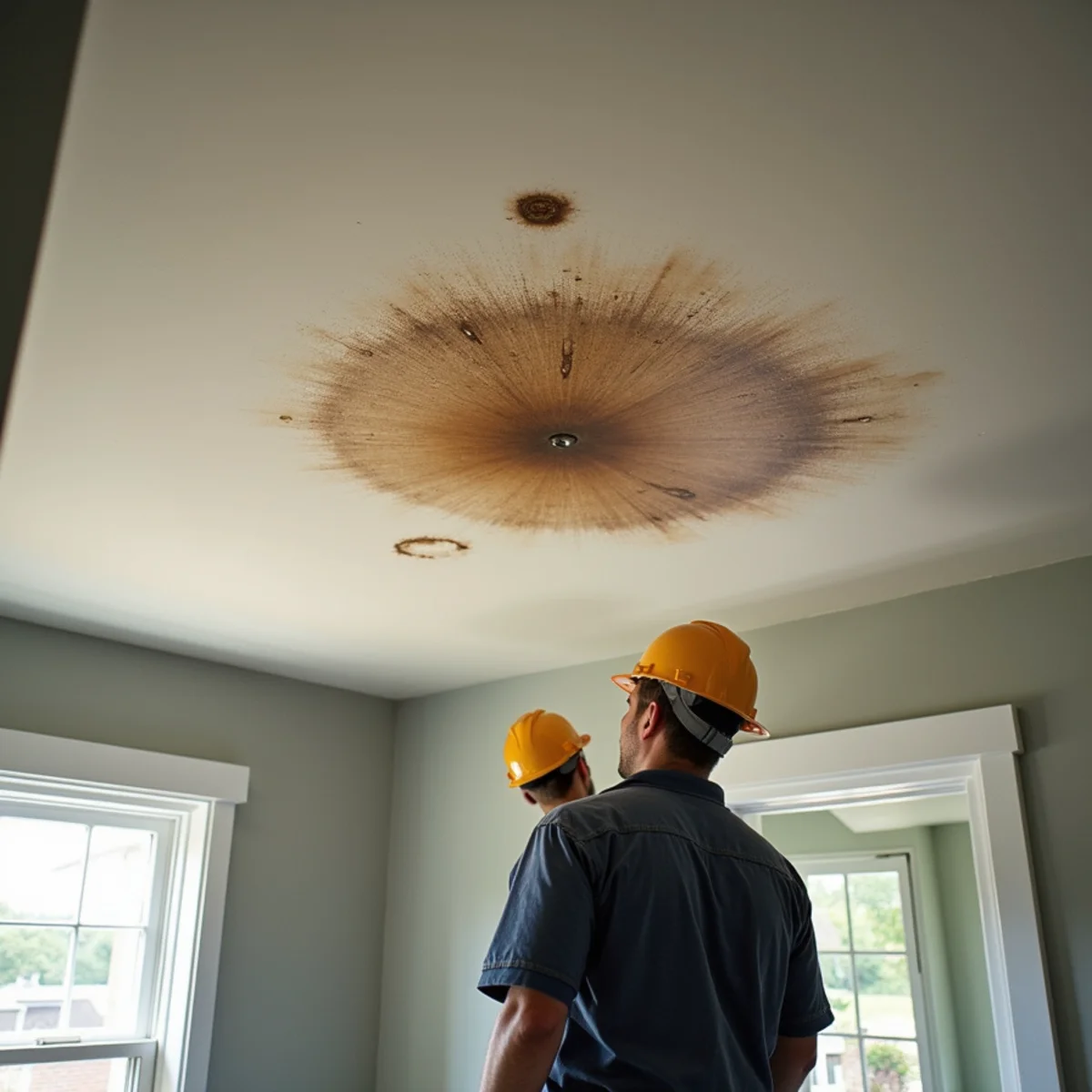
Separate ceiling stains from multiple roof leaks in one season 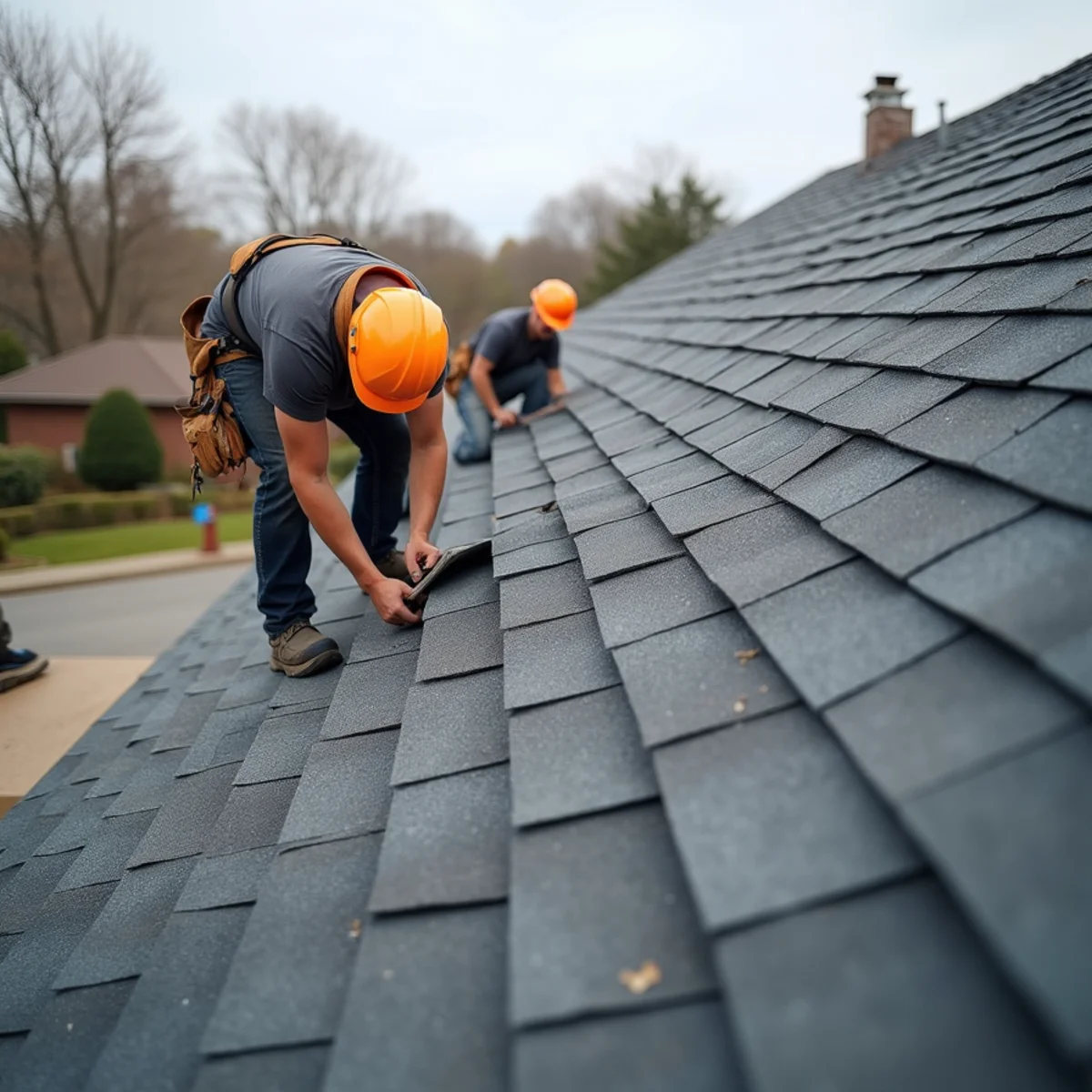
A dipping ridge and waving roof plane indicating deck failure 
Daylight visible between gapped board sheathing from inside an attic 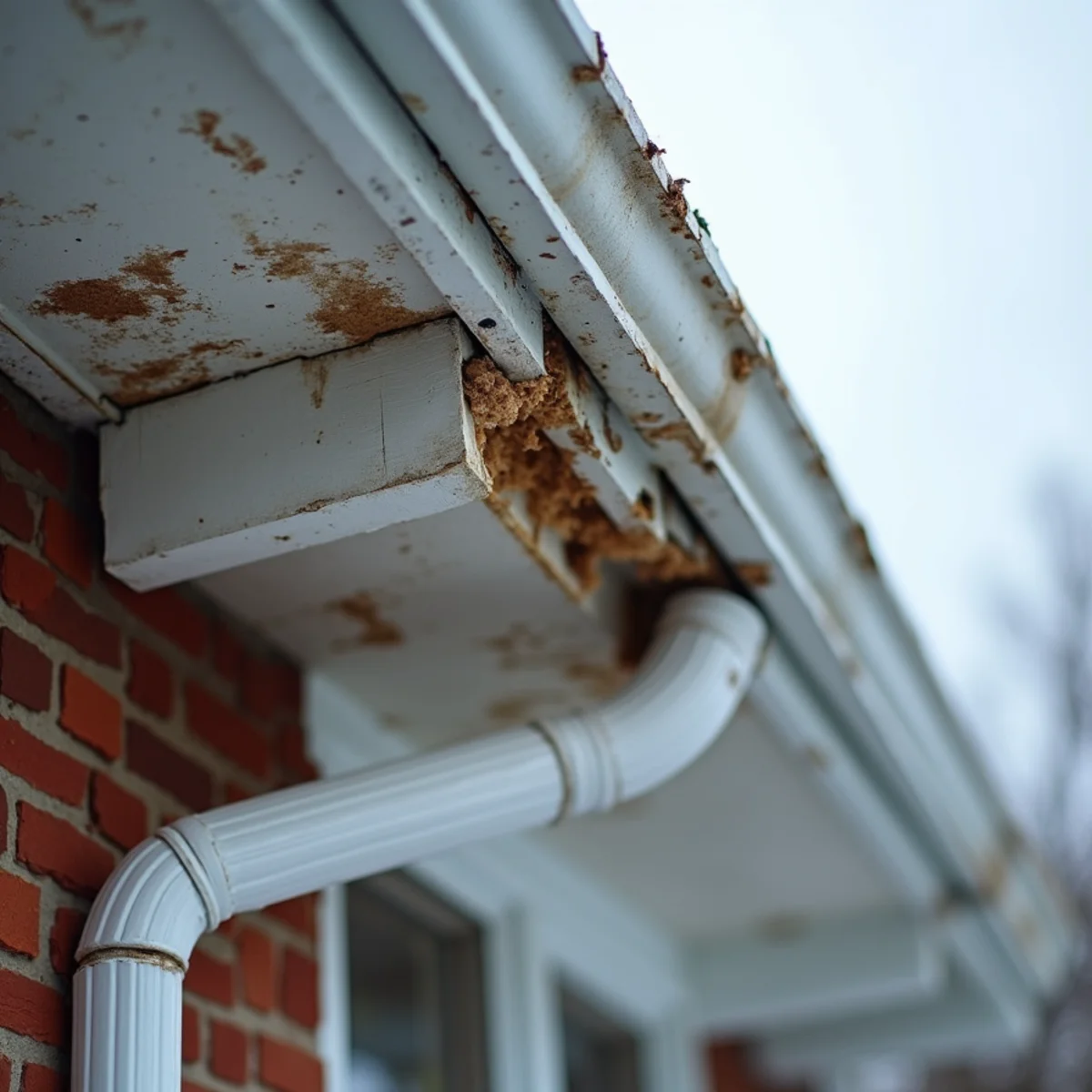
Rotted fascia and stained soffit from repeated ice dam damage 
Two existing layers of asphalt shingles exposed at a roof edge
Frequently asked questions
Two. New shingles cannot go over two existing layers, so a roof already carrying an overlay has to be stripped. Slate, clay tile, cement tile, wood shake and asbestos-cement tile can never be covered at any layer count and must always be removed. Confirm the current requirement with your local building official before you accept an overlay bid.
It depends on what is old about it. A 25-year-old slate roof with three slipped slates is worth repairing, because the field has decades left. A 22-year-old three-tab asphalt roof curling on two slopes is not, because you pay for staging and setup twice within a few years. Our rule of thumb: a repair costing more than about a third of a replacement, on a roof with fewer than five winters left, is money spent twice.
A full reroof does. That is the Inspectional Services short-form permit at $20 plus $10 per $1,000 of the work estimate, filed by the contractor with insurance, workers' comp and safety affidavits attached. Small repairs often fall below the threshold, but every city and town draws that line differently, so ask the building department. In a historic district, Landmarks approval comes before the permit either way.
Most flashing, boot and shingle repairs are a same-day visit once we can reach the area safely. A full tear-off on a typical single-family runs one to three days depending on weather, staging and what the deck looks like once it is open. Triple-deckers take longer because of staging height and rear porch access, not because of the roof itself.
Carriers routinely approve a repair when damage is localized, and that is often the correct call. It gets contested over matching, because if your shingle is discontinued a spot repair leaves a visible patch, which argues for a wider scope. Document everything with dated photos before anyone touches the roof. And never hire a contractor who offers to cover your deductible, which is illegal in Massachusetts.