
Why Does My Roof Leak Only in Heavy Rain? The Flashing Failures Behind Boston Leaks
If your ceiling stains during a nor'easter but stays dry in a drizzle, the shingle field is probably fine. Six failure points that only leak under volume, wind, or both — and why the stain is never under the hole.

If your roof leaks in a downpour but stays dry in a light rain, you almost certainly do not have a hole. Holes leak in everything.
What you have is a threshold failure - a detail that works fine at low volume and fails once you exceed a certain amount of water, a certain wind speed, or both. That is why it feels random. It is not random; it is conditional.
Almost every one of these turns out to be flashing, drainage volume, or wind-driven rain. And in nearly every case the stain on your ceiling is not underneath the failure.
Why the stain is never under the hole
Water enters the roof assembly, hits the sheathing, and then travels. It runs along the underside of the deck, down a rafter, across a top plate, and comes through the ceiling wherever it finds a seam, a fixture, or a low point in the plaster.
On the older housing around here that travel distance is longer than people expect. Pre-1930 Boston homes have board sheathing rather than plywood - wide boards laid with gaps between them - so water crosses joints freely instead of being contained. Eight or ten feet of horizontal travel before it drops is completely normal.
This is the single most expensive misunderstanding in roof repair. A contractor who patches the shingles directly above your stain has fixed nothing, and you will find that out during the next nor'easter. Proper roof leak detection and repair starts with tracing, not patching.
The six things that leak only under volume or wind
1. Step flashing at a wall
Wherever a roof plane runs into a wall - a dormer cheek, a chimney side, a second-storey wall above a lower roof - there should be step flashing: individual L-shaped pieces woven in one per shingle course.
When someone substitutes a single long strip of metal, or worse, runs a bead of caulk along the joint, it holds in a drizzle and fails the moment wind pushes water sideways up the wall. This is the most common real cause we find. It is the core of our flashing and chimney repair work.
2. A missing kick-out flashing
Where a roof edge dies into a wall above a gutter, a kick-out flashing diverts the runoff away from the wall and into the gutter. Leave it out and every heavy rain injects water directly behind the siding.
This one rarely shows as a ceiling stain at all. It shows as rot in the wall framing years later, discovered during a renovation. It is a two-dollar piece of metal causing five-figure damage.
3. Chimney counterflashing in failed mortar
Counterflashing should be set into a raked mortar joint, not surface-caulked to the brick face. Boston gets roughly 92 days a year at or below freezing but only about 23 that stay frozen all day - so around 69 days a year of freeze-thaw cycling that pries mortar joints apart and pushes surface sealant loose.
A chimney stack with five or six flues, common on Beacon Hill and in older row housing, has an enormous amount of joint length to keep tight.
4. Valleys that cannot keep up
A valley collects two slopes into one channel. In a heavy rain the volume can exceed what an undersized, debris-packed or poorly lined valley can carry, and the overflow goes sideways under the courses instead of down.
That is a pure volume threshold - it is fine until it isn't. Long valleys on large modern rooflines and needle-packed valleys on wooded lots are both routine culprits.
5. Skylight head flashing
Skylights leak at the top edge far more often than the bottom, because that is where water arrives with momentum. Head flashing and a proper saddle above the unit matter more than the skylight itself.
A lot of leaks blamed on the skylight are actually the integrated flashing kit having been skipped in favour of sealant. Correct skylight installation and repair is a flashing job, not a glass job.
6. Parapets and low-slope drainage
On triple-deckers and rowhouses with flat or near-flat decks, water does not shed - it drains. Blocked internal drains and scuppers, failed coping on a parapet, and ponding that never dries all become leaks the moment volume rises.
This is the dominant failure mode across Dorchester, South Boston and Somerville, and it is why flat and low-slope roof work is a different discipline from shingles.
How we actually find it
- Start in the attic, not on the roof. Daylight, staining on rafters, and water tracks on the underside of the deck point uphill to the entry.
- Work up-slope from the interior evidence. Water travels down and sideways, never up.
- Inspect every transition first - walls, chimneys, valleys, penetrations, skylights - before looking at the field.
- Water-test in sections where it is not obvious, starting low and working up, one area at a time.
- Check the gutters. Overflow behind the fascia mimics a roof leak convincingly and rots the fascia and deck edge while it does so.
That is what a free roof inspection with us involves. Not a glance from the driveway.
When it stops being a repair
One failed flashing on an otherwise sound roof is a repair, and we will tell you so rather than quoting a replacement. But if the roof is near the end of its life, if there is widespread nail-pop, or if multiple transitions are failing at once, patching becomes throwing money at a system that is finished. Our guide on repair versus replacement in Massachusetts walks through where that line sits.
If water is coming in right now, do not fill in a form - call. Emergency roof repair and tarping runs around the clock. Otherwise, get a free roof estimate or call (209) 758-8550 and we will find where the water is actually entering.
The points above, one at a time
A visual index of what each one actually looks like on a Massachusetts roof.

Step flashing woven per course where a roof plane meets a dormer wall 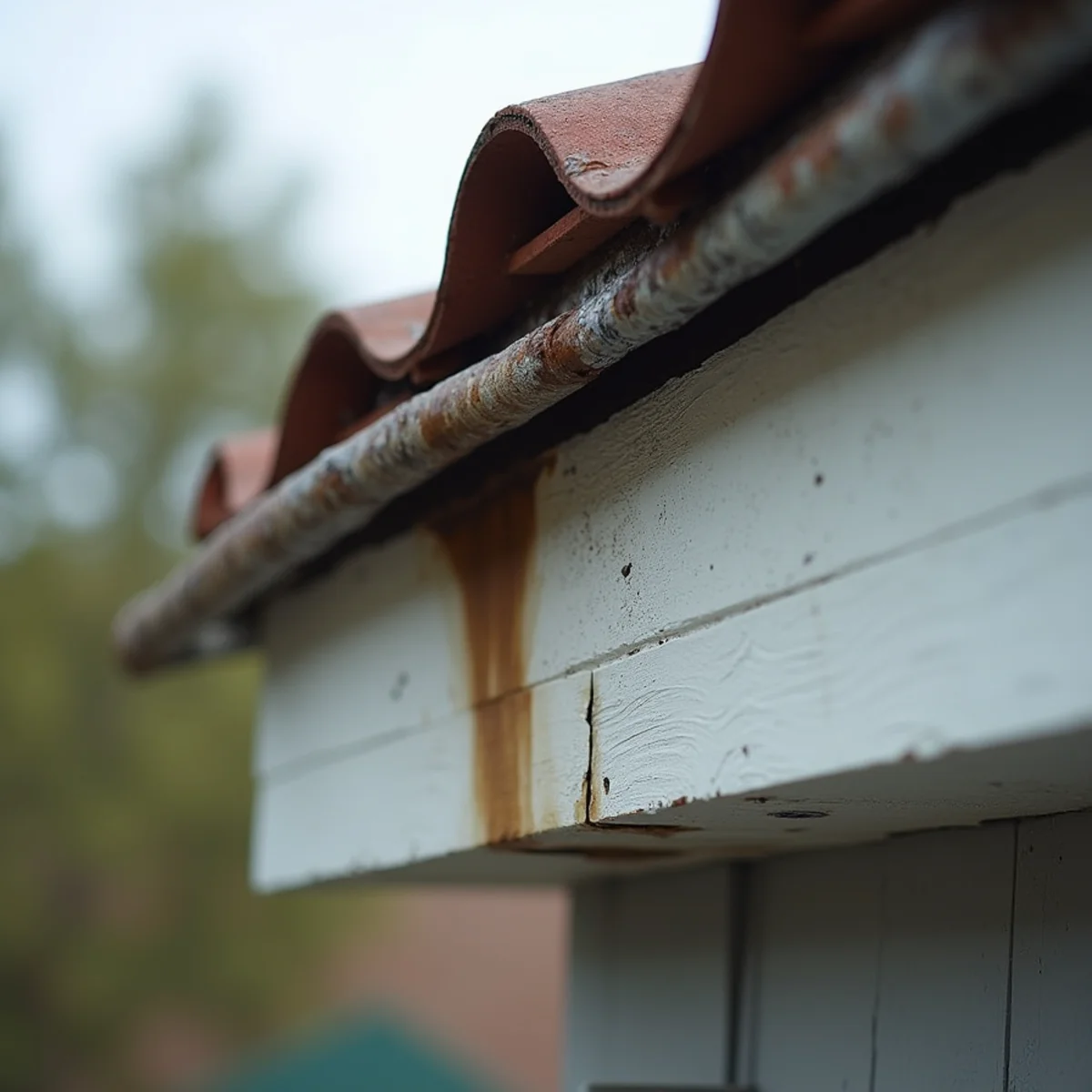
Missing kick-out flashing letting water run behind the siding 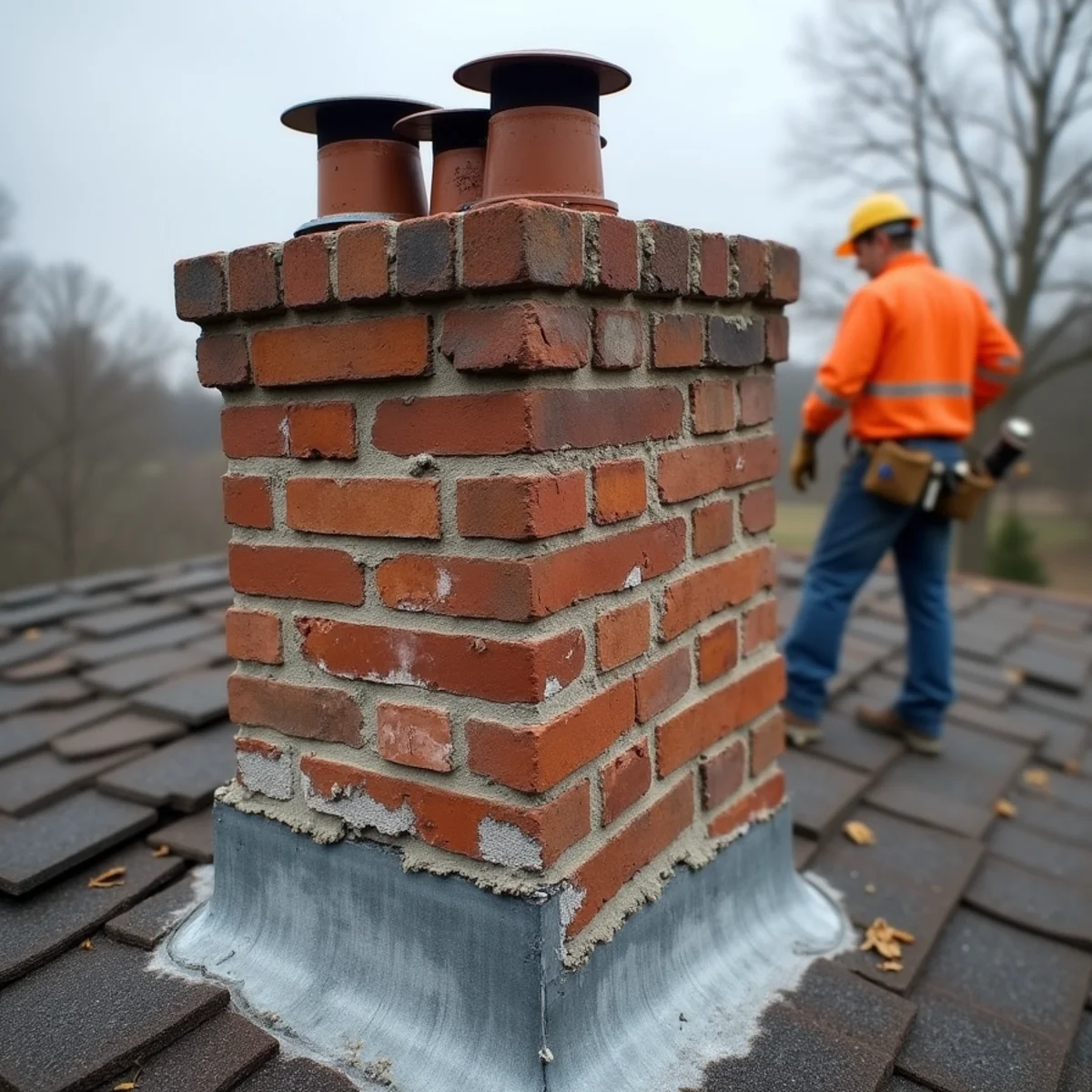
Counterflashing pulling loose from failed chimney mortar joints 
Debris-packed roof valley backing water under the shingle courses 
Skylight head flashing sealed with caulk instead of a proper saddle 
Blocked drain and failed parapet coping on a Boston low-slope roof
Frequently asked questions
Because the failure is a threshold, not a hole. Wind-driven rain gets pushed sideways under flashing that a vertical drizzle never reaches, and high volume can overwhelm a valley or a drain that copes fine at low flow. Holes leak in everything; conditional leaks are almost always flashing or drainage.
Almost never. Water runs along rafters and across the underside of the deck before it drops, and on pre-1930 Boston homes with gapped board sheathing it can travel eight or ten feet horizontally first. Patching the shingles above the stain is the most common wasted repair we get called to fix.
Sealant is a temporary measure at best. Step flashing has to be woven in one piece per shingle course, and counterflashing belongs set into a raked mortar joint rather than smeared on the brick face. Caulk on top of a bad detail fails within a season or two of freeze-thaw and hides the problem in the meantime.
It can be, particularly in winter on a poorly ventilated roof. Condensation usually shows as widespread dampness or frost on the underside of the deck rather than a defined stain that grows during storms. If the timing tracks with rainfall rather than cold snaps, it is a leak.